Surprising Ways Your Job Affects Vein Health
 Whether you’re on your feet all day, stuck at a desk, or somewhere in between, your job could be playing a bigger role in your vein health than you realize.
As it turns out, quite a few everyday work habits can put strain on your veins in ways you might not expect. Let’s take a look at ways your job can impact vein health and ways to combat it.
Ways Your Job Could Be Affecting Your Veins
Your veins rely on a series of one-way valves to push blood from your legs back up to your heart, working against gravity the entire way. Your calf muscles act like a pump to help this along, and anything that interferes with that pump, whether it’s how you move, what you carry, or even the temperature you work in, can put extra strain on those valves over time.
Here’s a closer look at the everyday work factors that can add up.
Long Hours on Your Feet
Nurses, teachers, hairstylists, retail workers, and anyone else who spends a shift on their feet are especially prone to vein issues. Standing for hours at a stretch gives gravity more time to work against the blood trying to make its way back up from your legs.
It’s even worse if you stand in one place for extended periods. Without movement to activate the calf muscles, blood can start to pool in the lower legs. That sustained pressure on the valves is one of the most common contributors to swelling, aching, and visible veins in people whose jobs keep them upright all day.
Prolonged Sitting
It might seem like sitting all day would be easier on your circulation, but the opposite is often true. When you’re seated for long stretches, especially with your knees bent, blood flow to and from your legs slows down considerably.
Desk workers and drivers face this daily, and if you also have a long commute on top of a sedentary job, that’s extended sitting time twice over, before and after the workday even starts.
Heavy Lifting and Manual Labor
Jobs that involve frequent heavy lifting (think construction, warehouse work, moving, or even medical workers transferring patients) cause repeated straining. Each time you bear down to lift something heavy, pressure spikes in your abdomen and legs. That pressure works against the same valves affected by prolonged standing, and over time, repeated strain can contribute to valve damage in a similar way.
Frequent Travel
If your job has you flying often, whether you’re a flight attendant, a consultant, or a sales rep living out of a suitcase, your veins are getting a double hit.
Long periods of sitting during flights combine with cabin pressure changes and dehydration, both of which slow circulation. This is also worth taking seriously beyond cosmetic concerns, since prolonged immobility during travel is a recognized risk factor for blood clots.
Footwear and Dress Codes
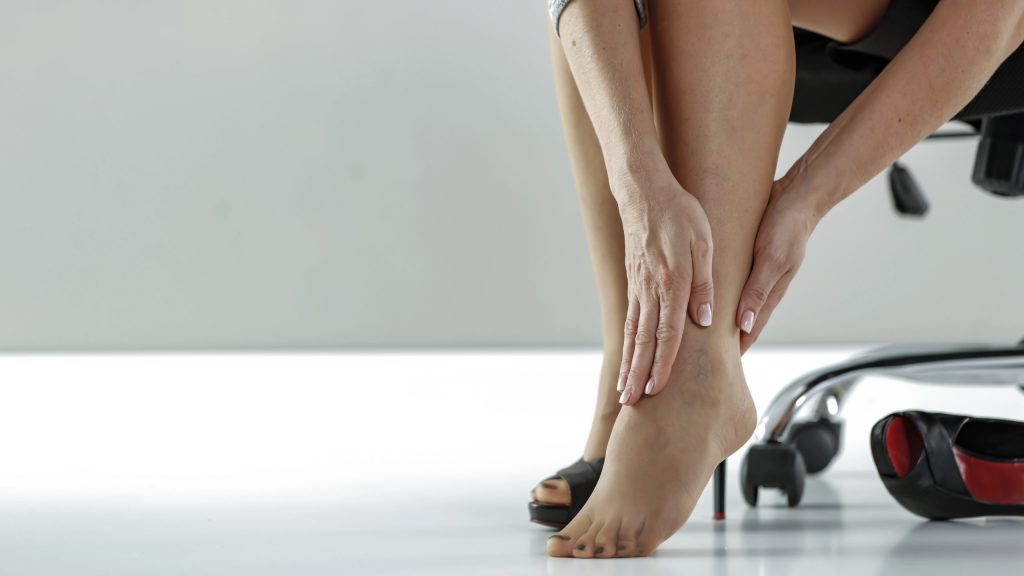
Some jobs come with shoe requirements that aren’t doing your calf muscles any favors. Retail, hospitality, and healthcare workers often wear shoes with little arch support, and some workplaces still expect women to wear heels.
Since your calf muscles need to contract properly to help pump blood upward, footwear that limits natural movement can add to the strain, especially when paired with a job that already has you on your feet.
Heat Exposure
If you work somewhere consistently hot, like a kitchen, a factory floor, or outdoors in landscaping, your veins are dealing with an extra variable. Heat causes veins to dilate, and when that’s combined with standing or physical exertion, it can make legs feel heavier and more swollen by the end of a shift.
Shift Work and Irregular Schedules
Night shift and rotating shift workers, including many medical professionals and factory employees, often deal with disrupted sleep and irregular movement patterns throughout the day. The connection here is less direct than with standing or lifting, but consistently poor sleep and activity patterns can affect overall circulation and vascular health over time.
How to Protect Your Circulation at Work
You don’t need to change careers to protect your veins. A few small habits can make a meaningful difference, no matter what your job involves.
- Take a short walk or stretch break every 30 to 60 minutes, whether you’ve been sitting or standing
- Consider investing in a standing desk or walking pad
- Shift your weight or change positions periodically if your job keeps you upright for long stretches
- Use proper lifting form and take breaks between heavy lifts when possible
- Move your legs and ankles periodically during flights, and stay hydrated while traveling
- Wear supportive footwear when your job allows for it
- Elevate your legs when you get the chance, especially in the evening
- Wear compression stockings during long shifts or travel if your provider recommends them
None of these habits will change your genetics, but they can help reduce the day-to-day pressure on your veins, especially if your job checks more than one of these boxes at once.
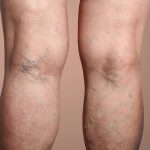
Visible varicose veins or spider veins may be more than just an occupational hazard. If your veins are causing aching, swelling, or a heavy feeling in your legs by the end of the workday, or if you are simply bothered by how they look, it may be time to consider medical treatment.
Luckily, most vein treatments are minimally invasive, require little to no downtime, and can often be scheduled around a busy work life.
If your job has you lifting, standing, sitting, flying, or all of the above, and your legs are letting you know about it, we’re here to help. Reach out to schedule a consultation and find out which options make the most sense for you.